This is a SEO version of PeaceHealth-OregonRegion. Click here to view full version
« Previous Page Table of Contents Next Page »Limit your salt intake. Look for foods and beverages that are low in sodium or sodium-free.
If you’re overweight, lose the extra pounds. Your doctor can help here as well.
Be physically active. Aim for at least 2½ hours a week of any activity that raises your heart rate, such as walking, doing yard work or playing sports.
If you smoke, try hard to quit. Ask your doctor for help if you need it.
Take four steps to lower your risk
If your blood pressure is normal, controlling certain risk factors can help keep it that way.
If you already have high blood pressure, those same lifestyle practices can help bring it under control.
If lifestyle changes alone aren’t enough, your doctor may prescribe medication
to lower your readings.
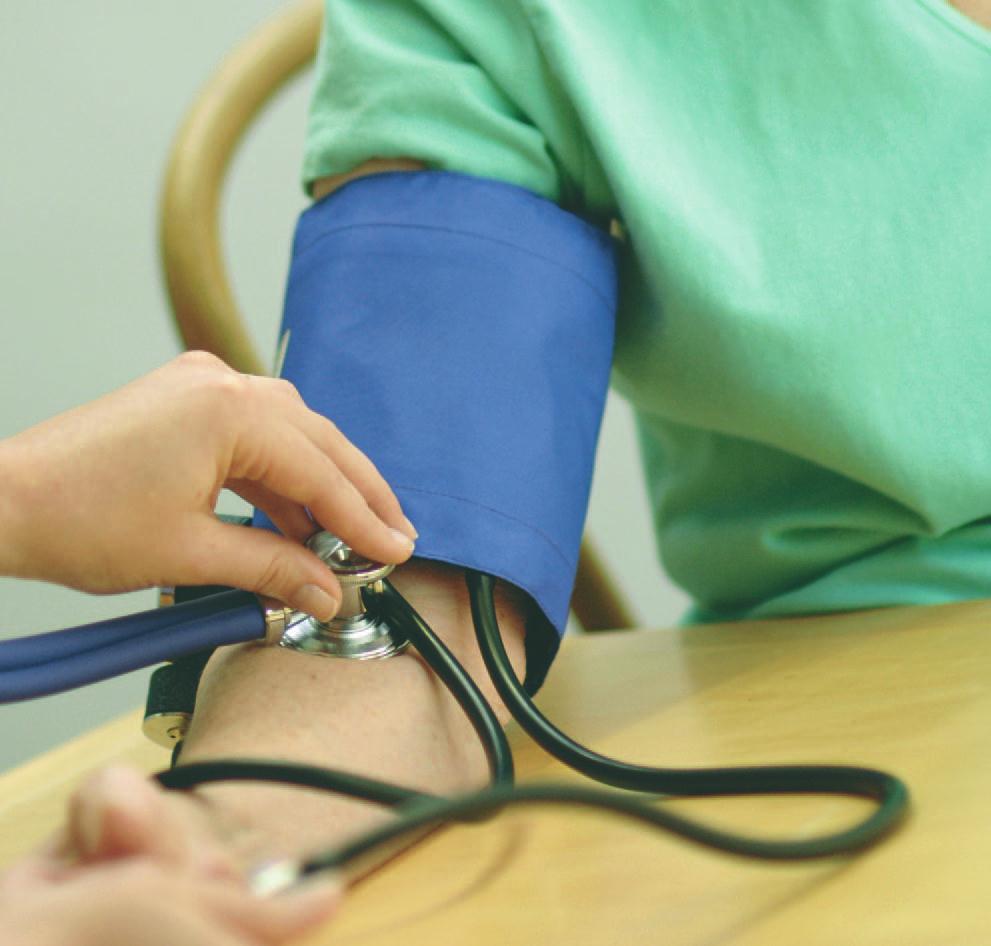
Ask your doctor how often you should have your blood pressure checked to make sure your treatment plan is working.
National Heart, Lung, and Blood Institute
High blood pressure can be a sneaky problem. It usually takes many years to develop, and there are almost never any symptoms. In fact, most people who have high blood pressure feel perfectly healthy. But slowly, behind the scenes, high blood pressure (hypertension) can cause some serious health problems, including increased risk of stroke, heart problems and kidney trouble.
“That’s why it’s important to have your blood pressure checked regularly,” says Diana Lamboy, family nurse practitioner at PeaceHealth
Check-up. “If it’s too high, there are ways to get it under control. If it’s normal, good health practices can help keep it there.”
Blood pressure basics
Blood moves through your blood vessels under pressure. The pressure during a beat is called systolic pressure. The pressure between beats is called diastolic pressure. Those two measurements make up your overall blood pressure reading.
According to the National Heart, Lung, and Blood Institute (NHLBI), normal blood pressure
Blood pressure can
Don’t just count your calories—know all your numbers. Sign up for our heart disease risk factor screening at Oregon Heart & Vascular Institute. Call 541-222-7216 or go to www.peacehealth.org/ohvi and click on “Know Your Numbers.”
is less than 120 millimeters of mercury (mm Hg) systolic and less than 80 mm Hg diastolic. As those readings increase, the risk of health problems also rises.
That’s why the NHLBI recommends that most people try to keep their blood pressure below 120/80. One exception is people with diabetes. Their goal is to keep blood pressure below 130/80.
Who is at risk
About one in three American adults has high blood pressure, according to the NHLBI. The risk of developing it goes up with age. For men, the risk starts to go up at about age 45 and for women, at about age 55. More than half of all Americans age 60 and older have blood pressure that is too high. You are also at risk if you:
■ Have a family history of high blood pressure.
■ Are African-American.
■ Smoke.
■ Are overweight or obese.
■ Eat too much salt.
■ Don’t get enough physical activity.
Concerned about your blood pressure? Visit PeaceHealth Check-up inside Market of Choice in South Eugene for a $39 blood pressure check and consultation. Call 541-222-7190 for more information.
sneak up on you
www.peacehealth.org 7
This is a SEO version of PeaceHealth-OregonRegion. Click here to view full version
« Previous Page Table of Contents Next Page »